

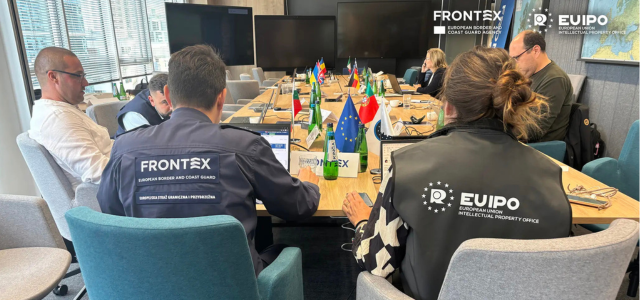
More than EUR 17 million worth of counterfeit products were seized during the Joint Action Day (JAD) Pirates 4, an international operation led by the European Border and Coast Guard Agency (Frontex) in cooperation with the European Union Intellectual Property Office (EUIPO), Europol, EU Member States, and non-EU countries. The operation targeted criminal networks involved in the trade of counterfeit goods in an effort to disrupt the flow of fake products into the European Union and beyond.
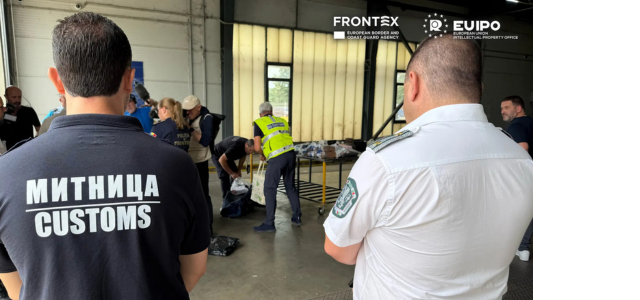
In coordinated checks at border crossings, ports, airports, and logistics hubs across the EU, Serbia, Ukraine, and the United Kingdom, border guards, customs officers, and police seized over 1.7 million counterfeit and undeclared items, with an estimated value of EUR 17.4 million. The EUIPO played a crucial role by providing on-the-ground technical assistance on intellectual property infringement matters, particularly concerning counterfeit goods, as well as facilitating the exchanges of information between rights holders and enforcement authorities through the use of its IP enforcement portal (IPEP).
From perfumes to e-cigarettes: if it sells, it can be counterfeited
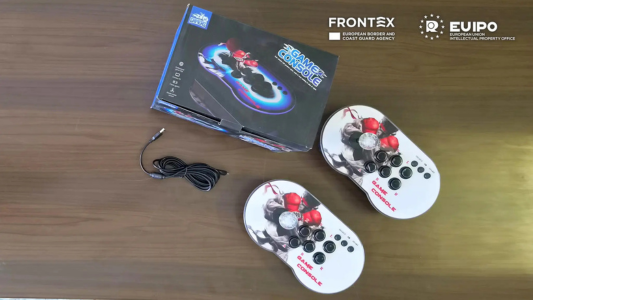
Toys, clothing, and perfumes ranked amongst the most frequently seized products during JAD Pirates 4, mirroring the trends observed at the EU’s external borders in previous years. The operation highlighted that no sector is immune to counterfeiting, with seizures ranging from everyday consumer items such as jewelry, watches, and mobile phones, to products that pose serious health risks, such as pharmaceuticals, detergents, e-cigarettes, tobacco products, electronics, and vehicle parts.
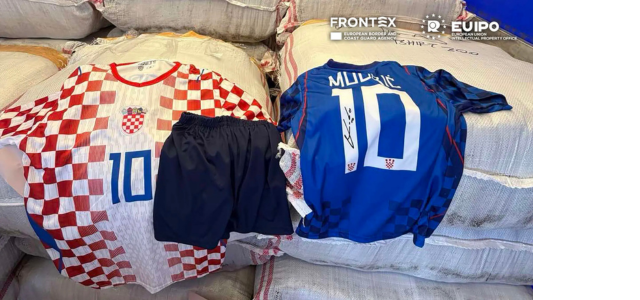
Clothing and footwear items: the World Cup fuels trade in counterfeit football shirts
With over half a million items seized worth over EUR 9 million, fake clothing products were intercepted before reaching the EU market through various routes, including Cologne/Bonn Airport in Germany, the Kipi Evros land border in Greece and Kapitan Andreevo in Bulgaria. The biggest number of counterfeit garments was seized at the latter, where border officers detected a consignment of 41,280 counterfeit NIKE‑branded textile garments in a heavy goods vehicle arriving from the Republic of Türkiye. The goods, specifically fake T-shirts of the national Croatia team ahead of the World Cup, had a value of EUR 1,651,200 and were addressed to that country.
It is estimated that the legitimate clothing industry loses almost EUR 12 billion in revenue annually, representing 5.2% of clothing sales in the EU. As a consequence of sales lost due to counterfeiting, the clothing industry employs 160,000 fewer people each year, with Germany and Italy the most affected markets.
Cosmetics and perfumes: a lucrative market for counterfeiters
Over 100,000 counterfeit cosmetics and perfume items were seized during the operation, with an estimated value of more than EUR 1 million.
Thanks to the involvement of non-EU countries, fake products were intercepted even before reaching EU borders. For example, EUR 34,700 worth of fake perfumes were seized at the Polish-Ukrainian border in Smilnytsia, Ukraine.
At the Port of Naples, customs officials made a stunning discovery: a sea container packed with 83,738 counterfeit perfumes and cosmetics. The fake products bore the names of luxury brands like “La Vie Est Belle,” Giorgio Armani, Yves Saint Laurent, Lancôme, and Paco Rabanne—but their poor quality was a dead giveaway that they were obviously not genuine.
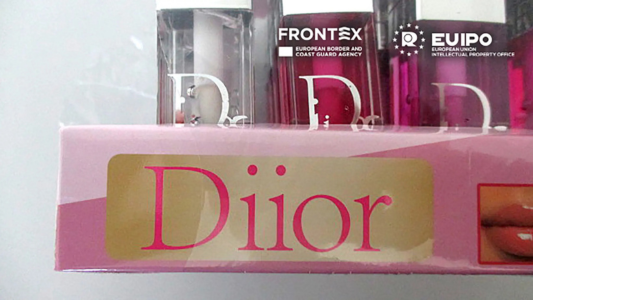
Another example happened during a random inspection of a sea container from China at the Port of Hamburg Customs Office. National authorities discovered several types of suspected counterfeit cosmetic products, including 2,880 Burberry lipsticks and 1,440 Christian Dior lipstick sets, with an estimated market value of EUR 374,400.
The estimated lost cosmetics sales due to counterfeiting amount to EUR 3 billion every year, corresponding to 4.8 % of total sales. The French cosmetics industry is the most affected in absolute terms, with EUR 800 million in annual lost sales. The lost employment in the EU is estimated at almost 32,000 people.
Fake toys: putting children’s health at risk
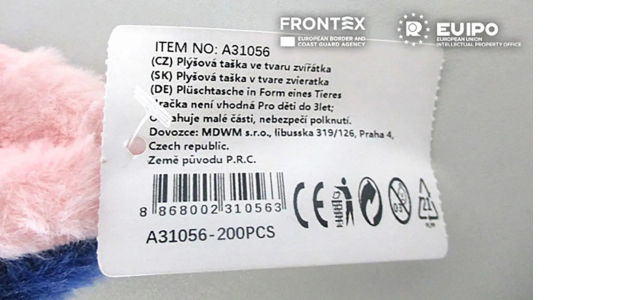
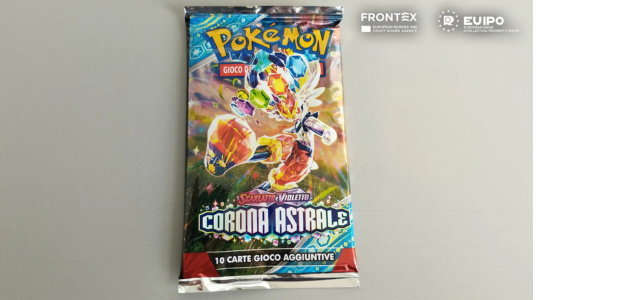
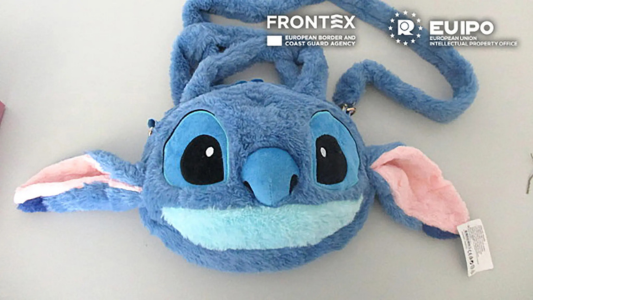
JAD Pirates 4 supported the seizure of almost 100,000 toys, with a value of more than EUR 600,000. Fake toys were found in several Member States, including Spain and Portugal. In Spain, almost 2,000 items were seized in Leganés (Madrid) from China, while Portugal intercepted more than 28,000 fake Monopoly board games in a sea container from China at the Port of Sines.
The toy sector suffers 8.7 % of sales lost due to counterfeiting every year, corresponding to EUR 1 billion in lost sales and 3,600 fewer people employed in this industry. The German toy industry absorbed one third of sales lost due to the presence of fake toys in the EU.
Energy drinks: a health hazard
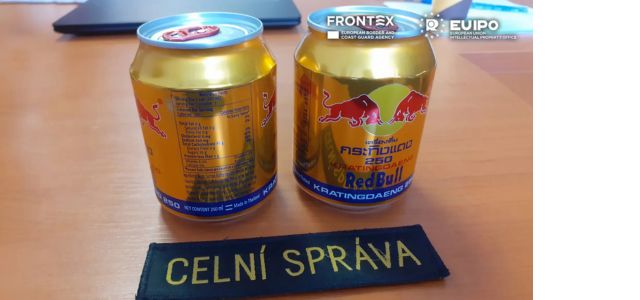
Fake energy drinks, which pose serious health risks, were also seized during the JAD Pirates 4 operation. Bulgaria, the Czech Republic, and the UK reported seizures of fake non-alcoholic beverages (namely Red Bull) with identical packaging. One container was detected and seized at the Port of Burgas, a second container was detected near London, and the third place of detection was a shop in the Czech city of Brno. Altogether, 243,860 cans were taken off the market.
Counterfeit goods remain one of the most profitable forms of organized cross-border crime. Findings from previous editions of JAD Pirates show that criminal networks move illicit goods into the European Union through major land border crossings, container ports, airports, and logistics hubs, particularly in the Balkans and around the Black Sea and the Mediterranean.
JAD Pirates 4 was implemented under the European Multidisciplinary Platform Against Criminal Threats (EMPACT). This Member States-driven initiative allows EU countries and agencies to work together, also with the support of the private sector, to tackle serious and organized crimes. In 2024 alone, the number of detained articles at the EU border reached 19.7 million, with an estimated value of EUR 1.5 billion.
You may also like…

Winter IP Conference 2026: 5 November, London UK
After two highly successful and well-regarded annual events, we’re thrilled to announce the Winter Intellectual...

IPEC awards £213,000 in damages in Fendi-led counterfeit goods case
The UK court awarded £200,000 for lost profits and £13,000 in reasonable-royalty damages, while rejecting claims for...

EU General Court rejects bad-faith and copyright challenge to lightoptics trademark
The ruling highlights the evidentiary burden on businesses seeking to invalidate an EU trademark based on earlier...
Contact us to write for out Newsletter