
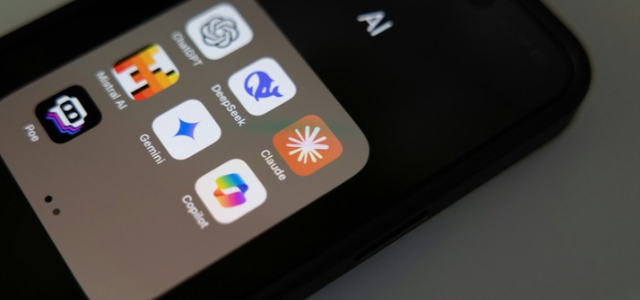
The AI developer is challenging a federal appeals court ruling over its national security designation, highlighting the commercial and reputational risks facing technology companies whose policies conflict with government demands.
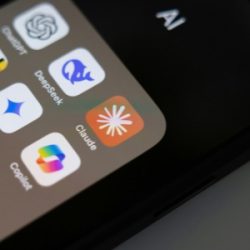
Anthropic has asked a US appeals court to reconsider a ruling upholding the Pentagon’s designation of the artificial intelligence company as a national security supply-chain risk, escalating a dispute over AI safety restrictions and the government’s authority over technology suppliers.
The October 13 petition asks the US Court of Appeals for the District of Columbia Circuit to reconsider its September 25 decision, which upheld the designation in a 2-1 ruling.
Anthropic argues that the court misinterpreted federal law and permitted the government to impose the designation without adequate procedural safeguards. The company also maintains that the decision was retaliation for its position on AI safety, according to Reuters.
The dispute has implications beyond government procurement, raising questions about the commercial and reputational consequences of security-related designations for companies operating in the fast-growing AI sector.
Dispute centers on AI safety restrictions
The Pentagon designated Anthropic a supply-chain risk after the company refused to contractually authorize the use of its Claude AI models for lethal autonomous warfare and mass surveillance of Americans.
The appeals court majority concluded that the government had reasonably determined that Anthropic’s restrictions could compromise military operations. It rejected the company’s argument that the designation was retaliatory.
Anthropic’s rehearing petition challenges the court’s interpretation of the relevant federal legislation. The company argues that the majority expanded a law intended to address supply-chain security risks to cover government contractors more broadly, even where the alleged risk does not involve hostile intent.
It also contends that the Pentagon acted without providing the required pre-designation process and that the record contained evidence linking the decision to Anthropic’s public position on AI safety. These remain Anthropic’s arguments, rather than findings accepted by the appeals court. The September ruling upheld the designation, and the company’s request for rehearing does not itself reverse that outcome.
Billions in potential commercial consequences
The designation has significant implications for Anthropic’s relationship with the US military. The Pentagon has moved to remove Claude from its systems and restrict its use in Defense Department work, including by contractors working on the department’s behalf.
Anthropic has said the government’s actions have cost it billions of dollars in lost business. The company has also argued that the designation has damaged its reputation, potentially complicating its commercial relationships beyond the immediate dispute.
For AI developers and other technology suppliers, the case illustrates the risks of serving government customers while maintaining contractual restrictions on how their products can be used. A national security designation can affect access to public-sector contracts and influence how customers assess a supplier’s reliability. It can also create reputational uncertainty when the government publicly characterizes a company’s technology or business practices as a security concern.
The dispute therefore offers a broader lesson for technology businesses: decisions about product safeguards, contractual terms, and acceptable uses can have consequences extending well beyond product development or conventional intellectual property disputes.
Separate California ruling adds complexity
The dispute has produced a separate legal outcome in California. In August, US District Judge Rita Lin ruled against the government in a parallel challenge involving a different statutory basis for designating Anthropic a supply-chain risk. The court found that the challenged actions constituted unlawful retaliation and that the company had been denied required procedural protections.
That decision did not overturn the D.C. Circuit’s September ruling. The two cases concern separate legal authorities, and the appeals court upheld the designation challenged in the Washington proceedings despite the California court’s decision.
The differing outcomes underline the importance of the statutory powers invoked by the government and the procedures followed when imposing restrictions on technology suppliers.
Anthropic Chief Executive Officer Dario Amodei has called for regulation covering all US frontier AI companies, while the Trump administration has pursued a more pro-growth approach to AI development.
The appeals court must now consider Anthropic’s request for rehearing. The outcome could have implications for how the government applies supply-chain security laws to domestic AI companies and the legal protections available to contractors challenging such decisions.
For businesses operating in technology markets, the case also highlights how government action can shape corporate reputation and commercial risk alongside more familiar concerns involving intellectual property, brand protection, and customer trust.

Written by Elizabeth Jordan
Senior Industry Engagement Manager, CTC Legal Media
You may also like…
Winter IP Conference 2026: 5 November, London UK
After two highly successful and well-regarded annual events, we’re thrilled to announce the Winter Intellectual...

B&Q v. Wren: UK High Court rejects AI-assisted image search in trademark dispute
Judge rules that proposed £100,000 disclosure exercise would be disproportionate, despite advances in AI technology....
Protecting Brand Value in China: What Every In-House IP Team Needs to Know: November 4, 2026
China continues to be one of the most important jurisdictions for global brand owners, but its trademark landscape is...
Contact us to write for out Newsletter