
Seven plaintiffs allege that Claude was trained using 274 copyrighted musical compositions without authorization, seeking $41.1 million in statutory damages.
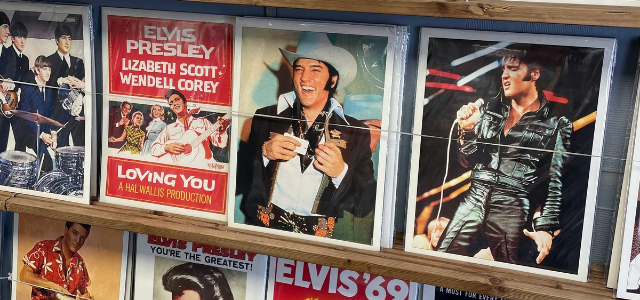
Rights holders associated with Elvis Presley’s music catalog have sued artificial intelligence company Anthropic in California federal court, alleging that it used 274 copyrighted musical compositions without permission to train its Claude AI system.
The lawsuit, ABG EPE IP LLC et al. v. Anthropic PBC, was filed on October 23, 2026, in the US District Court for the Northern District of California. The plaintiffs are seeking $41.1 million in statutory copyright damages, alleging that Anthropic infringed their rights by using the compositions without authorization.
The case adds to a growing wave of litigation over the use of copyrighted creative works to develop generative AI systems, raising questions about licensing, the reproduction of protected lyrics, and the potential commercial impact on rights holders.
274 musical compositions at the center of the dispute
The plaintiffs include ABG EPE IP LLC, associated with Authentic Brands Group, music publishers Abilene Music LLC and Raleigh Music Publishing LLC, and trusts and individuals connected to songwriters and music-publishing interests.
According to the complaint, Anthropic used copyrighted musical compositions, including lyrics associated with Presley’s catalog, without obtaining permission or paying the relevant rights holders.
The plaintiffs allege that Anthropic obtained copyrighted material from online sources and incorporated it into a central library used to train Claude. They contend that the company’s use of the material infringed their exclusive rights under US copyright law.
The complaint also challenges Claude’s ability to produce outputs that allegedly reproduce protected lyrics or closely follow the structure, hooks, and verses of existing songs.
The plaintiffs argue that these outputs risk substituting for licensed uses of the original works and undermining the commercial value of their catalog. These remain allegations in a newly filed lawsuit and have not been established by a court.
Copyright damages and information-management claims
The plaintiffs are seeking statutory damages of up to $150,000 for each of the 274 musical compositions, producing a total demand of $41.1 million. They have also raised allegations concerning the handling of copyright-related identifying information, according to reports of the complaint.
The case therefore raises issues beyond whether copyrighted works were used in AI training. The handling of copyright-management information may also be relevant to the legal claims, depending on the specific conduct alleged and the statutory requirements.
The plaintiffs are asking for a jury trial. The full scope of any additional remedies sought should be confirmed against the complaint before publication.
Anthropic intends to defend the case
Anthropic has rejected the allegations. The dispute comes amid continuing litigation over whether using copyrighted material to train generative AI systems constitutes infringement or may be permitted under the fair-use doctrine.
The legal analysis can depend on the nature of the works, how they were obtained and used, the purpose of the copying and its potential effect on the relevant market. The use of protected lyrics in AI-generated outputs may raise separate questions from the copying involved in training.
Another challenge to AI training practices
Anthropic has faced other copyright claims from music publishers alleging that it used protected lyrics to train Claude. The Presley-related lawsuit adds another group of rights holders to the debate over how AI developers should obtain and use copyrighted creative material.
For copyright owners, the case highlights the importance of licensing arrangements and the ability to control how their works are reproduced and commercially exploited. For AI developers, it reinforces the potential legal risks associated with training datasets and outputs that may reproduce protected expression.
The outcome could contribute to the developing US legal framework governing copyrighted works used in generative AI. For now, however, the claims remain unproven, and the court has yet to determine whether Anthropic’s conduct infringed the plaintiffs’ rights.

Written by Elizabeth Jordan
Senior Industry Engagement Manager, CTC Legal Media

You may also like…

Winter IP Conference 2026: 5 November, London UK
After two highly successful and well-regarded annual events, we’re thrilled to announce the Winter Intellectual...

Amazon flags potential abuse of mass trademark infringement lawsuits
Retailer seeks to pause court-ordered fund transfers as it investigates whether Schedule A litigation was used to...

Detentions of counterfeit goods in the EU reached an all-time high in 2025
Over 196 million counterfeit items worth an estimated EUR 6.3 billion were detained in the EU in 2025, according to a...
Contact us to write for out Newsletter