


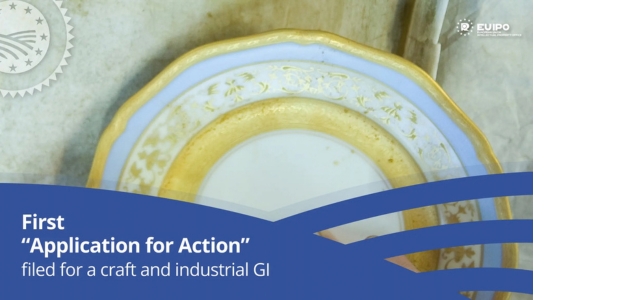
The first Application for Action (AFA) for a craft and industrial geographical indication (CIGI) has been filed through the EUIPO’s IP Enforcement Portal (IPEP), marking a new milestone in the implementation of the EU’s protection system for traditional crafts and industrial products. The AFA was filed for “Porcelaine de Limoges,” the first CIGI registered under the EU’s new protection system.
From registration to border enforcement
The registration of the name of a CIGI is an important first step in protecting the reputation, authenticity, and know-how associated with a product. But protection does not end with registration. By filing an Application for Action with customs, the producer group behind a CIGI can provide the information needed to identify suspected counterfeit goods and enable customs authorities to take action when such goods are detected at the EU’s external borders.
This means that for the first time, a registered CIGI has reached the stage where its protection can be supported by the EU’s established customs enforcement framework, the same border protection tools that are available for other intellectual property rights, including trademarks, designs, and agricultural geographical indications.
How fakes are detained at the border
The first AFA for a registered CIGI was filed through the EUIPO’s IP Enforcement Portal (IPEP), providing a practical link between the registration of the new right and its enforcement at the border.
IPEP enables IP rights holders to file electronically and give customs authorities access to relevant intellectual property information. Data can be retrieved directly from EUIPO databases, including GIview for geographical indications, helping to reduce administrative work and ensure that customs authorities have accurate and up-to-date information when assessing suspected infringements. However, registration alone does not automatically enable customs authorities to act. Producer groups and other IP rights holders must file an AFA in order to empower border authorities to act in case counterfeit products are detected.
Since the transition to electronic AFAs in 2024, the filing process has become more streamlined for both rights holders and customs authorities. More than 4,000 customs AFAs are filed or renewed annually. In 2024, goods detained at the EU border due to suspected intellectual property infringements had an estimated value of €1,5 billion.
The first CIGI to reach the customs enforcement stage is an early demonstration of how the new EU protection system can support producers safeguard the value, reputation, and authenticity of their products.
Country authorities and producer groups interested in protecting their GIs through customs enforcement can find more information on IPEP´s landing page.
You may also like…

Winter IP Conference 2026: 5 November, London UK
After two highly successful and well-regarded annual events, we’re thrilled to announce the Winter Intellectual...

Japan’s Supreme Court rules copying unprotected works can still constitute a tort
Japan’s top court has upheld approximately JPY 169 million in damages against a website operator that reproduced and...

Columbia Pictures loses EU trademark challenge to GHOST BUSTER mark
The Ghostbusters franchise owner has reportedly failed to block a Dutch inventor’s trademark for lighting products,...
Contact us to write for out Newsletter