
Mondelēz International has brought a High Court claim against Sussex-based Catherine’s Originals, alleging trademark infringement and passing off over its O’bar vegan chocolate. The dispute raises questions about the protection of distinctive product shapes and the limits of trademark rights.
Mondelēz International, the owner of Toblerone, has filed a High Court claim against independent vegan chocolate maker Catherine’s Originals, alleging that its O’bar product infringes trademark rights and amounts to passing off.
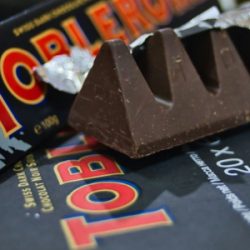
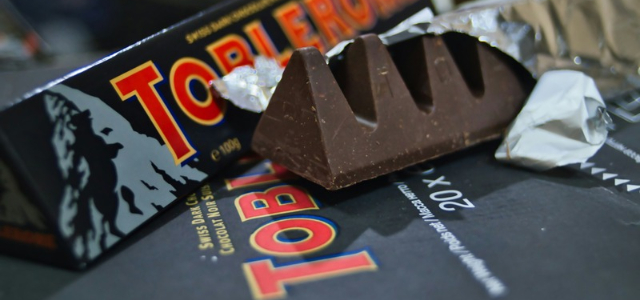
The dispute centers on the shape of the rival chocolate bar, which Mondelēz claims copies Toblerone’s distinctive design. Catherine’s Originals disputes the allegations and intends to defend the claim.
Reported by The Guardian on October 29, 2026, the case highlights the potential importance of product shape to brand identity and the legal challenges that can arise when smaller businesses develop products in established consumer markets.
Dispute over distinctive chocolate shapes
Catherine’s Originals was founded by Catherine Dodd in 2021 and produces vegan chocolate in Walberton, Sussex. Its O’bar range features a long chocolate bar divided into segments with rounded, semi-oval humps.
Mondelēz alleges that the product infringes its trademark rights in the Toblerone shape and amounts to passing off. The company maintains that Toblerone’s distinctive design has been a hallmark of the brand since 1929 and is among the most recognizable product designs in the UK and internationally.
Dodd has rejected the allegations, arguing that the shape of her bars reflects the “O” in Originals and gives the product its own identity.
“We stand firmly behind the product and identity we’ve created,” Dodd said, according to The Guardian. She added that the company was working with its legal team to defend its position.
Catherine’s Originals’ legal adviser, Stephen Lowry of Brandsmiths, also disputed the claim, stating that the business considers the O’bar to have its own distinctive design and identity.
Mondelēz said it had attempted to resolve the matter directly with Catherine’s Originals over several months but had been unable to reach an agreement. The company declined to comment further on the ongoing litigation.
What does the dispute mean for shape marks?
The case highlights the potential for product shapes to function as trademarks when consumers recognize them as indicators of commercial origin.
Under UK trademark law, a three-dimensional shape can qualify for protection if it meets the relevant legal requirements. However, shape marks face specific exclusions, including those relating to characteristics resulting from the nature of the goods themselves, those necessary to obtain a technical result, and those that give substantial value to the goods.
A claimant alleging trademark infringement must establish the relevant rights and demonstrate that the defendant’s use falls within the applicable statutory grounds for infringement. The precise legal test depends on the registered mark and the type of infringement alleged.
Passing off is a separate cause of action. Broadly, a claimant must establish goodwill associated with its business or goods, a misrepresentation likely to lead the public to believe there is a relevant commercial connection, and resulting or likely damage. For Mondelēz, the dispute will depend on the rights it can establish in the relevant Toblerone marks and whether O’Bar’s appearance infringes those rights or misrepresents a commercial connection.
Catherine’s Originals maintains that its design is distinctive in its own right. The court will need to assess the relevant evidence and legal arguments before determining the claim. The filing of proceedings does not establish that infringement or passing off has occurred. No finding of liability has been reported.
A previous dispute over Toblerone’s shape
The case follows an earlier dispute between Mondelēz and UK discount retailer Poundland over its Twin Peaks chocolate bar.
In 2017, Poundland delayed the launch of Twin Peaks following a legal warning from Mondelēz. The retailer subsequently modified the packaging and shape of the chocolate bar before relaunching it.
That dispute also brought the distinctiveness of Toblerone’s shape into focus, illustrating how product design, brand recognition and consumer perception can become central to commercial trademark disputes.
The latest claim involves a different product design, with the O’bar featuring rounded segments rather than Toblerone’s familiar angular peaks. Whether that difference is sufficient to defeat the allegations will depend on the rights asserted and the evidence before the court.
Implications for brand owners and smaller businesses
The dispute illustrates the commercial importance of product shape as part of brand identity. For established businesses, protecting a recognizable design can be an important element of trademark enforcement. For smaller manufacturers, the case highlights the need to consider existing intellectual property rights when developing distinctive product designs.
The proceedings may also provide a useful illustration of the relationship between registered shape marks and passing off, particularly where the parties disagree over whether a product’s appearance is sufficiently distinctive to suggest a common commercial origin.
For now, the allegations remain contested. The High Court proceedings will determine whether Mondelēz can establish its claims against Catherine’s Originals.

Written by Elizabeth Jordan
Senior Industry Engagement Manager, CTC Legal Media

You may also like…

Winter IP Conference 2026: 5 November, London UK
After two highly successful and well-regarded annual events, we’re thrilled to announce the Winter Intellectual...

Iceland Foods loses appeal over Babek trademark validity
The Court of Appeal has upheld the validity of Babek International's gold-and-black figurative trademark, rejecting...
Dior blocks AVENUE SAUVAGE trademark application at EUIPO on reputation grounds
The EUIPO has upheld Dior’s opposition to AVENUE SAUVAGE, finding that the mark would take unfair advantage of the...
Contact us to write for out Newsletter