
Tests of seized counterfeit cosmetics found potentially harmful substances, as fake beauty purchases rise among young adults.
The campaign highlights that:
- Beauty products are an increasing target for counterfeiters in the UK, with cosmetics, skincare, and perfumes now among Trading Standards’ 10 most commonly investigated fakes.
- 4 in 10 seized counterfeit cosmetics tested contained potentially harmful substances – from mercury and excessive lead to methanol and even nicotine.
- Tests found 13,200 parts per million of mercury in one skincare product, high levels of lead in lipstick, eyeshadow, and contour products, and nicotine in perfume. A counterfeit fragrance contained around 80% methanol.
- Legitimate cosmetics sold in the UK must meet strict safety requirements. Counterfeit products are highly unlikely to have undergone the same rigorous safety checks. People therefore have no assurance about what ingredients they contain or how they have been made.
- 1 in 5 (20%) young adults aged 18 to 24 who bought beauty products in 2025 admitted knowingly buying fakes. This is more than three times the proportion recorded in 2023 (6%).
- Nearly 3 in 4 people who bought counterfeit cosmetics and toiletries purchased them online. This highlights the importance of checking sellers and knowing what to look out for when shopping for beauty products.
Counterfeit beauty products are putting people’s health at risk, prompting warnings from the UK Intellectual Property Office (UKIPO), Trading Standards, and beauty industry experts about the dangers of fake cosmetics. They are urging people to buy from trusted sources.
Testing of products seized in the UK found 4 in 10 (40%) contained potentially harmful substances. These include mercury, high levels of lead, methanol, and nicotine.
The UKIPO’s new Face the Fakes campaign, launched today (30 October), is highlighting the hidden risks identified through testing of seized counterfeit products. These include a skincare product containing 13,200 parts per million of mercury and high levels of lead in make-up. A counterfeit fragrance contained around 80% methanol, a toxic alcohol that can cause serious poisoning.
Beauty products are a major target for counterfeiters in the UK. Cosmetics, skincare, and perfumes are among Trading Standards’ 10 most commonly investigated counterfeit goods.
In July, the Police Intellectual Property Crime Unit and Greater Manchester Police seized 1,666 counterfeit hair products from a warehouse in Manchester. These included hair extensions, shampoo, and conditioners.
This follows a raid in Bolton, where Trading Standards officers seized £2 million worth of counterfeit goods, including perfume, cosmetics, clothing, and vapes.
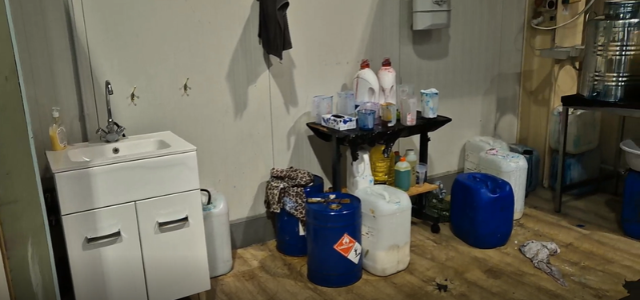
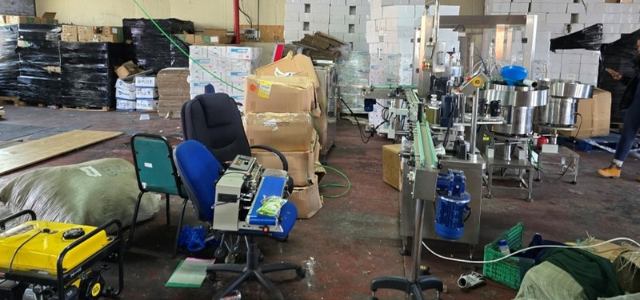
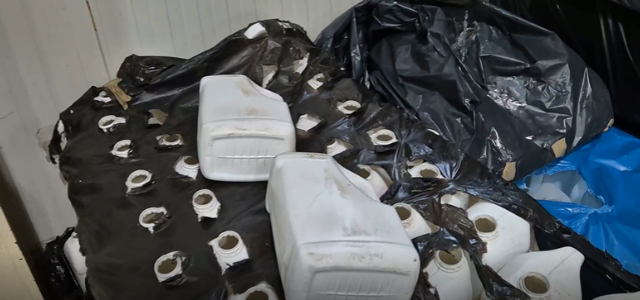
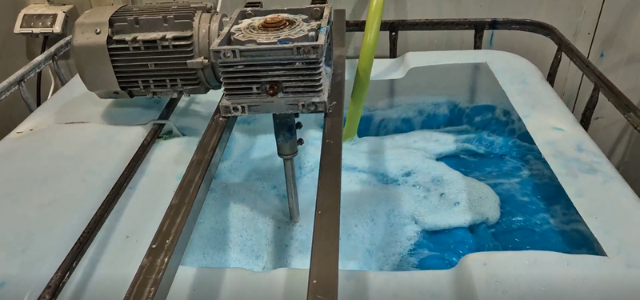
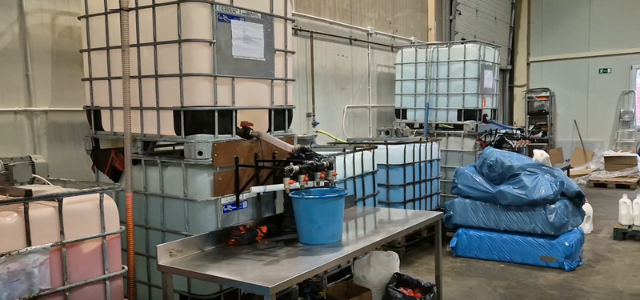
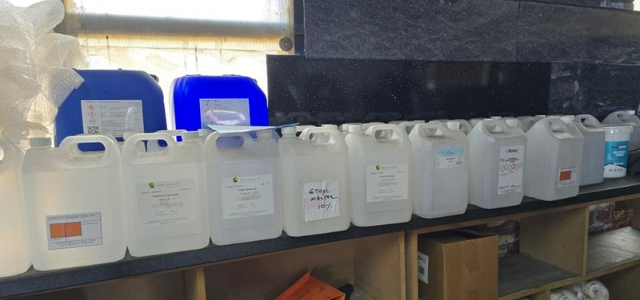
The findings come as the latest UKIPO data shows counterfeit beauty buying is rising sharply among younger consumers. The latest UKIPO Counterfeit Goods Tracker (September 2026) found that 20% of 18 to 24-year-olds who bought beauty products in 2025 knowingly purchased counterfeits. This is more than three times the proportion recorded in 2023 (6%).
The growing role of online and social media shopping is adding to concerns. Nearly 3 in 4 (71%) people who bought counterfeit cosmetics and toiletries purchased them online, where convincing product listings, familiar branding, and positive reviews can make fakes difficult to identify.
The real impact of counterfeit beauty
Giorgia Aloi is supporting the campaign after her mother suffered an allergic reaction to a counterfeit foundation purchased through a social media marketplace. What appeared to be a genuine beauty product left her mother with a painful reaction on her face. The experience brought home the potential dangers of counterfeit cosmetics. The experience prompted Giorgia to establish SafeGlam, a platform raising awareness of the harms of counterfeit beauty products. She is now sharing her family’s experience as part of the UKIPO’s Face the Fakes campaign to warn others about the risks.
What’s really inside counterfeit beauty products?
Trading Standards has tested a cross-section of 50 seized counterfeit cosmetic products and identified potentially harmful substances across skincare, make-up, and fragrance:
- Mercury in skincare: One counterfeit skin-lightening cream contained 1.32% mercury, equivalent to 13,200 parts per million. Mercury is prohibited in cosmetics of this type, and repeated exposure through the skin can damage the kidneys and nervous system, with effects that may not be immediately visible.
- Lead in make-up: High levels of lead were found in multiple counterfeit lipsticks, eyeshadows, and contour products, including 40 mg/kg in one contour kit. Lead can build up in the body over time, potentially damaging the brain, nervous system, and kidneys. There are particular risks for children and during pregnancy.
- Nicotine in perfume: Testing also detected nicotine in a counterfeit perfume, despite it being prohibited in cosmetics.
- Methanol in fragrance: One counterfeit fragrance tested contained around 80% methanol, a toxic alcohol that can be absorbed through the skin or inhaled. Methanol can cause serious poisoning, including damage to the nervous system and eyesight. This can potentially result in permanent blindness.
- Hydroquinone in skincare: One counterfeit skin-lightening cream contained 8.1% hydroquinone, a chemical prohibited in cosmetic skin-lightening products in the UK. It can cause skin irritation and, with repeated use, pigmentation changes including patchy skin lightening and ochronosis. Ochronosis is a potentially permanent blue-black discoloration of the skin. Unlike legitimate cosmetics, which must meet strict UK safety requirements, counterfeit products can bypass these safeguards. They can also be made in unhygienic conditions, increasing the risk of contamination. This means people cannot be sure what’s inside them or whether they’re safe to use.
Helen Barnham, Head of Enforcement Engagement at the Intellectual Property Office, said: “These findings show why counterfeit beauty products can pose such serious risks to consumers. Products can look remarkably convincing, but behind the packaging they can contain dangerous substances that have no place in the cosmetics people use every day, and can be made in appalling, unhygienic conditions.
“Counterfeiters exploit the names and reputations of brands that consumers know and trust, while bypassing the rigorous safety standards that legitimate businesses work hard to meet.
“With our latest research showing a sharp rise in counterfeit beauty buying among young adults, we want to make sure people understand the potential risks and know how to protect themselves. Our Face the Fakes campaign is giving consumers practical advice to shop more safely, including checking who is actually selling a product and choosing trusted sources.”
Rani Ghosh, an independent toxicologist, said: “When you hear that mercury has been found in face cream, lead in make-up, or nicotine in perfume, it raises serious questions about what is going into these products and how they are being made.
“Some reactions to unsafe cosmetics may be visible, such as irritation, swelling, or changes to the skin. But what concerns me as a toxicologist is what you might not see. Substances such as mercury and lead can affect the body internally, and those effects may not be immediately obvious.
“Counterfeit beauty products can look incredibly convincing. You cannot tell from the packaging what chemicals are inside, how the product has been made, or what risk it might pose. That is why knowing where your beauty products come from matters.”
Helping consumers Face the Fakes
The UKIPO’s Face the Fakes campaign is working with content creators and the beauty industry to highlight the potential harms of counterfeit beauty products using visual content, expert evidence, and practical consumer advice.
The UKIPO is also working with industry organizations to help beauty businesses protect their customers and supply chains. New guidance for salons, beauty professionals and smaller businesses is being shared through trade bodies. It provides practical advice on identifying warning signs and sourcing products from trusted suppliers.
Dr Emma Meredith, Director-General of the Cosmetic, Toiletry and Perfumery Association (CTPA), said: “There is a rigorous safety framework behind every legitimate cosmetic product sold in the UK. Ingredients are carefully controlled, products have to be made in clean and hygienic conditions, and they must undergo a safety assessment. Companies have clear legal responsibilities for the products they place on the market.
“A huge amount of work happens behind the scenes to make sure people can use their cosmetics with confidence. Counterfeit products can bypass those safeguards, which is why knowing who you are buying from and choosing trusted sources really matters.”
Millie Kendall, CEO of the British Beauty Council, said: “The UK beauty industry puts enormous care, creativity, and expertise into creating products that people love and can use with confidence. Safety and trust run right through our industry, from the brands developing products to the retailers and professionals bringing them to consumers.
“Counterfeiters trade on the reputation and creativity that brilliant beauty businesses have worked hard to build, without putting in the same care or meeting the same standards.
“We are proud to support Face the Fakes and stand alongside businesses across our industry to help consumers buy beauty with confidence and keep fakes out of their beauty bags.”
Face the Fakes: five ways to shop safe
1. Check who you’re buying from: Look beyond the marketplace or social platform and check the seller behind the listing. Where possible, buy from trusted retailers, official brand websites, or authorized sellers.
2. Question the deal, and don’t be rushed: A discount doesn’t mean something is fake, but an unusually low price can be a warning sign. Be wary of deals or sales tactics that pressure you to buy quickly – pause and think twice before you purchase.
3. Look beyond the shiny stuff: Don’t rely on convincing imagery or five-star reviews alone. Check the product information, ingredients, company or contact details, and other information you’d expect to see. Look beyond the listing for information about the seller.
4. Pay attention if something feels off: When your product arrives, check the packaging for an ingredients list, batch number, company name and address, and any relevant safety warnings. Missing details, blurry print, spelling mistakes, or something that looks, smells, or feels different from what you expect can be warning signs.
5. Think it could be fake? Don’t use it – report it: Don’t try it and see. Keep the product, packaging, receipt and seller details, and report your concerns to Trading Standards.
Find out more about Face the Fakes and how to shop safe here.
You may also like…
Winter IP Conference 2026: 5 November, London UK
After two highly successful and well-regarded annual events, we’re thrilled to announce the Winter Intellectual...

Iceland Foods loses appeal over Babek trademark validity
The Court of Appeal has upheld the validity of Babek International's gold-and-black figurative trademark, rejecting...
Toblerone owner takes vegan chocolate maker to court over bar shape
Mondelēz International has brought a High Court claim against Sussex-based Catherine’s Originals, alleging trademark...
Contact us to write for out Newsletter