

Reports that MySpace could be preparing for a return have sparked a wave of nostalgia across social media, with many former users reminiscing about profile songs, customizable pages, and the infamous “Top 8” friends list. But while the prospect of the once-dominant platform making a comeback has captured public attention, it also raises a number of interesting intellectual property questions.
According to reports, Chris and Tim Vanderhook, who acquired MySpace in 2011, are exploring plans to relaunch the platform. Although details remain limited, the news has prompted discussions about whether a social network built around personalization and music could find a place in today’s digital landscape.
For IP professionals, however, a modern MySpace would operate in a vastly different legal environment from the one it helped define in the mid-2000s.
A brand that never truly disappeared
Perhaps the most immediate intellectual property asset is the MySpace name itself.
Although the platform has largely faded from mainstream social media, the MySpace brand remains widely recognized. If the platform returns, it will provide another example of how longstanding trademarks can retain considerable commercial value despite years outside the spotlight.
For brand owners, the reported relaunch highlights the importance of maintaining trademark portfolios even where a business has evolved or experienced a prolonged decline. Consumer recognition and goodwill can remain valuable assets, particularly when nostalgia itself becomes a driver of commercial interest.
Copyright challenges in a new era
MySpace built its identity around user creativity. Unlike today’s more standardized social media platforms, users could extensively customize their profiles with HTML, background images, animations, music, and embedded media.
That freedom helped define the platform—but it also created significant copyright challenges.
Today’s copyright landscape is considerably more developed than when MySpace first rose to prominence. A relaunched platform would likely require far more sophisticated systems for managing user-generated content, addressing copyright complaints, and moderating potentially infringing material.
Questions surrounding ownership of user-created profile designs, licensing arrangements for uploaded content, and platform responsibility for infringing material would all be central to any modern relaunch.
Music remains central, but licensing has changed
Music was one of MySpace’s defining features, with profile songs becoming synonymous with the platform itself.
Reintroducing that experience today would involve navigating a far more complex licensing environment. Streaming rights, publishing rights, performance rights, and international licensing obligations have all evolved significantly over the past two decades.
Any platform seeking to recreate MySpace’s music-focused identity would need to ensure that appropriate licensing arrangements are in place while also maintaining effective systems for identifying and removing unauthorized content.
AI adds another layer of complexity
Unlike the original MySpace, any modern version would launch into a digital ecosystem increasingly shaped by generative artificial intelligence.
If users were able to create AI-generated profile artwork, avatars, music, or other creative content, questions surrounding copyright ownership, licensing, and platform governance would inevitably follow. Likewise, the platform’s own use of AI-powered recommendation systems or moderation tools would need to navigate an evolving legal and regulatory landscape.
As governments and courts continue to grapple with AI-related intellectual property issues, any new social media platform would need to build these considerations into its services from the outset.
Trademark enforcement in a renewed platform
A successful relaunch would also revive familiar trademark enforcement challenges.
As user activity increases, platforms typically face disputes involving impersonation, counterfeit brand accounts, username conflicts, and misuse of well-known trademarks. Effective notice-and-takedown procedures and brand protection mechanisms have become standard expectations for major social media services, and a revitalized MySpace would likely face similar demands from rights holders.
More than a nostalgic comeback
Whether MySpace ultimately returns remains to be seen, but the reports serve as a reminder that intellectual property can outlive changing consumer trends.
The MySpace name remains a recognizable trademark years after the platform’s cultural peak, demonstrating the enduring value of established brands. At the same time, any attempt to recreate the platform’s distinctive user experience would need to address intellectual property issues that have become significantly more complex since MySpace first transformed online social networking.
For IP practitioners, the reported relaunch offers more than a nostalgic look back at the early days of social media. It provides a timely illustration of how trademark value, copyright protection, digital content licensing, and emerging AI issues increasingly intersect as legacy technology brands seek new life in a rapidly evolving digital marketplace.

Written by Elizabeth Jordan
Senior Industry Engagement Manager, CTC Legal Media
You may also like…
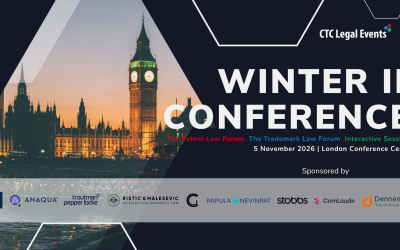
Winter IP Conference 2026: 5 November, London UK
After two highly successful and well-regarded annual events, we’re thrilled to announce the Winter Intellectual...

EU court rules UK JOULES trademarks could not support opposition after Brexit
The EU General Court has confirmed that UK trademark rights could no longer support an opposition to an EU trademark...

Japan court recognizes AI-cloned voices can fall under publicity-right protection
The Tokyo District Court has indicated that a person’s voice can fall within the scope of Japan’s publicity rights...
Contact us to write for out Newsletter