
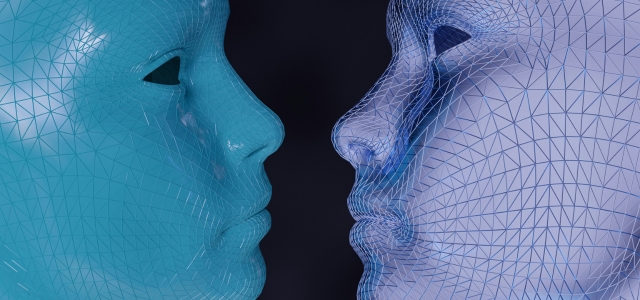
The decision provides significant protection against the unauthorized use of a public figure’s identity while addressing personality and publicity rights, trademarks, and copyright in the context of AI-generated content.
The Delhi High Court has granted a permanent injunction restraining specified defendants from infringing the personality and publicity rights of journalist and television presenter Rajat Sharma, following allegations that artificial intelligence had been used to create doctored and deepfake videos featuring his image, voice, and other personality attributes.
The decision, in Rajat Sharma & Anr. v. Tamara Doc & Ors., CS(COMM) 1147/2024, was issued by Justice Jyoti Singh on August 24, 2026. The proceedings also concerned alleged infringement of registered INDIA TV trademarks and copyright-protected material belonging to the second plaintiff, Independent News Service Pvt. Ltd., which operates INDIA TV.
The ruling represents a significant development in India’s increasingly active body of case law concerning personality rights and the unauthorized use of AI-generated content.
Alleged deepfake content
Sharma brought the proceedings after allegedly discovering online material that used his name, likeness, image, voice, and other recognizable aspects of his persona without authorization.
The case concerned allegations that AI technology had been used to create doctored videos containing distorted, modified, or modulated versions of Sharma’s image and voice. Some of the content allegedly created the false impression that Sharma was associated with, endorsing, or promoting products.
The proceedings also involved the alleged unauthorized use of INDIA TV’s registered trademarks and copyrighted television footage. In November 2025, the Court recorded allegations that certain YouTube channels were using Sharma’s persona to disseminate fabricated political narratives and other false content, while also using footage from INDIA TV programs.
One of the channels was alleged to have used Sharma’s persona in videos concerning gold and silver prices and other commodities, with products tagged to the content, potentially creating the impression that the products were endorsed by Sharma or associated with INDIA TV.
Proceedings began in 2024
The case dates back to December 2024, when the Court issued an ex parte ad interim order against the initial defendants.
The December 18, 2024 order restrained the defendants from unauthorized use of Sharma’s personality attributes and from infringing the relevant intellectual property rights. The Court also directed steps to address the online dissemination of the allegedly infringing material. The 2024 proceedings were among the earlier Indian cases to address the use of AI and deepfake technology in connection with personality-rights protection.
The litigation subsequently expanded to include four YouTube channels alleged to be circulating deepfake and fabricated videos using Sharma’s personality.
In an order dated November 7, 2025, the Court found that the plaintiffs had made out a case for takedown directions concerning two of the channels and directed Google LLC to remove them within 36 hours. Google was also directed to disclose available basic subscriber information, IP logs, access details, contact details, and monetization data associated with the channels.
Google told the Court that two other channels had already been terminated following its review of complaints, while the complaints concerning the remaining channels were under review.
Permanent injunction granted
The August 24, 2026 order brought the proceedings to a final resolution against the defendants covered by the decree.
The Court decreed the suit against Defendants 1–3, 5–8, 14, and 16 in terms of the permanent-injunction reliefs sought by the plaintiffs. The defendants concerned had been served but had not filed written statements, and their right to do so was subsequently closed by the Joint Registrar on July 15, 2026.
The final decree addresses the alleged unauthorized use and exploitation of Sharma’s identity, as well as the associated trademark and copyright claims concerning INDIA TV.
The ruling therefore moves the case beyond the interim protection granted in 2024 and provides a permanent injunction against the specified defendants.
Mechanism for newly discovered content
One of the most practically significant aspects of the decision is the mechanism established for dealing with new instances of allegedly infringing material.
The Court gave Sharma and Independent News Service Pvt. Ltd. liberty to approach Meta Platforms Inc. and Google LLC with details of subsequently discovered URLs or content falling within the subject matter of the proceedings.
This includes alleged direct or indirect misuse, misappropriation, or exploitation of Sharma’s name, likeness, image, voice, photographs, videos, or other aspects of his persona, where the material amounts to infringement of his personality or publicity rights or involves the relevant copyright or trademark rights. The plaintiffs must provide supporting particulars or documents demonstrating that the newly identified material falls within the scope of the suit, on affidavit.
Meta and Google must acknowledge such requests within 24 hours and take action within 36 hours thereafter, following their independent examination under their respective policies. If the platforms do not act, Sharma and Independent News Service may return to the Court seeking appropriate directions.
This provides the plaintiffs with a mechanism for addressing newly identified material without necessarily having to commence entirely new proceedings each time similar content appears online.
INDIA TV trademark claim
The Court did not, however, make a final declaration that INDIA TV’s trademarks are well-known trademarks.
Instead, the plaintiffs were given liberty to seek such a declaration in a subsequent suit under the Trade Marks Act, 1999.
This distinction is important because the permanent injunction and the potential future well-known-trademark proceedings concern separate forms of relief.
Implications for AI-generated content
The decision highlights the growing difficulties faced by public figures whose identities can be reproduced or manipulated using generative AI.
Deepfake technology can allow an individual’s face, voice, and other recognizable characteristics to be incorporated into fabricated material at relatively low cost and distributed rapidly through social media and video-sharing platforms.
Where such material is presented as authentic or creates the impression of endorsement, the legal issues can extend beyond reputational harm. Depending on the circumstances, unauthorized synthetic content may raise questions involving personality rights, publicity rights, trademark infringement, copyright, and other forms of commercial misappropriation.
The Sharma proceedings illustrate how these existing legal protections can be used in response to AI-generated impersonation.
Significance for rights holders and platforms
For public figures and brands, the decision demonstrates the importance of monitoring online platforms for unauthorized synthetic content and maintaining effective procedures for documenting and reporting it.
The Court’s directions concerning subsequently discovered URLs are particularly noteworthy because they recognize the practical difficulty of policing rapidly proliferating online content.
For platforms, meanwhile, the case demonstrates the increasingly important role they may play in responding to allegedly infringing AI-generated material once rights holders have identified it and provided supporting information.
The decision adds to a developing body of Indian jurisprudence concerning personality rights in the digital environment. It also demonstrates that the legal response to deepfakes is not necessarily confined to new AI-specific legislation: existing personality, publicity, trademark and copyright protections may all be relevant depending on the facts.
As generative AI becomes increasingly capable of producing convincing representations of real people, disputes concerning the unauthorized use of identity are likely to become an increasingly important issue for courts, brands, celebrities, and other public figures worldwide.

Written by Elizabeth Jordan
Senior Industry Engagement Manager, CTC Legal Media
You may also like…
Winter IP Conference 2026: 5 November, London UK
After two highly successful and well-regarded annual events, we’re thrilled to announce the Winter Intellectual...

UK Supreme Court shuts door on SHORTS v. Google trademark appeal
The UK Supreme Court has refused permission to appeal in a trademark dispute between Shorts International Ltd and...

EU court rules UK JOULES trademarks could not support opposition after Brexit
The EU General Court has confirmed that UK trademark rights could no longer support an opposition to an EU trademark...
Contact us to write for out Newsletter