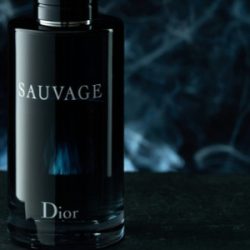

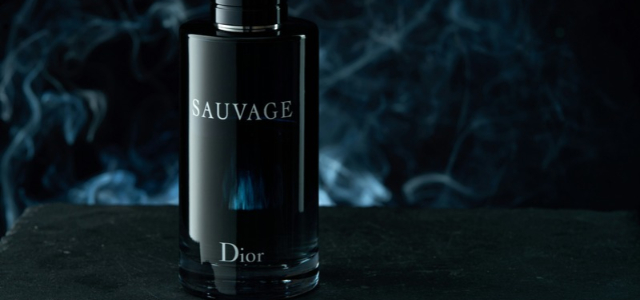
The EUIPO has upheld Dior’s opposition to AVENUE SAUVAGE, finding that the mark would take unfair advantage of the reputation of its Sauvage fragrance trademark.
Christian Dior has successfully opposed an application to register the word mark AVENUE SAUVAGE as a European Union trademark, with the European Union Intellectual Property Office (EUIPO) refusing the application in its entirety.
In a decision dated October 21, 2026, the EUIPO Opposition Division upheld Dior’s opposition under Article 8(5) of the EU Trade Mark Regulation. The provision protects reputed trademarks against certain uses of similar later marks, including where those uses would take unfair advantage of the earlier mark’s distinctive character or reputation.
The dispute concerned Dior’s SAUVAGE trademark, which the division found had a strong reputation in the European Union for perfumery products. The contested application covered bags and other leather goods, clothing, footwear, and related retail and wholesale services.
The decision illustrates how established luxury brands can use reputation-based trademark protection to oppose applications covering goods and services beyond those for which their earlier marks have acquired a reputation.
Dior establishes Sauvage’s reputation
Dior relied on its earlier international trademark registration designating the European Union for the word mark SAUVAGE. It submitted evidence including press coverage, social media material, brand information, advertising and promotional materials, and information about the fragrance’s commercial success.
The division concluded that the evidence established a strong reputation for SAUVAGE in the European Union for perfumery products, particularly in French-speaking markets.
The decision noted that the fragrance was launched in 2015 and had become one of the leading products in the global perfume market. It also considered evidence of extensive media coverage and the use of prominent ambassadors in Dior’s promotional campaigns.
The applicant argued that the word “Sauvage” was widely used in the relevant markets and lacked distinctiveness. However, the division rejected that argument, finding that the existence of other trademark registrations containing the term did not, by itself, demonstrate widespread use in the marketplace.
Why AVENUE SAUVAGE was refused
The division assessed the similarities between the earlier SAUVAGE mark and the later AVENUE SAUVAGE sign, focusing on French-speaking consumers.
It found that the signs were visually and phonetically similar to an average degree and conceptually similar to at least some extent. The earlier mark appeared in its entirety as the second element of the contested sign. Although “Avenue” distinguished the later mark, the division considered that consumers could still establish a mental link between the two signs.
The goods and services covered by the application were not necessarily similar to the perfumery products for which Dior had established its reputation. Nevertheless, the division found them closely related in the context of the luxury market, where fashion, accessories, and fragrances are frequently marketed under the same brand.
It concluded that consumers encountering AVENUE SAUVAGE could transfer the qualities and image associated with Dior’s fragrance to the applicant’s goods and services. Those associations, including perceptions of quality, exclusivity, and prestige, could make the applicant’s offerings more attractive without equivalent promotional investment.
The division therefore found that use of the contested mark would be likely to take unfair advantage of the distinctive character or reputation of Dior’s earlier trademark.
Applicant’s due-cause argument rejected
The applicant argued that the use of “Sauvage” was intended to promote a legitimate family name passed down through generations and to create a distinctive brand, rather than exploit Dior’s reputation.
The division rejected this argument, finding that the applicant had not established due cause for using the contested sign. It also considered that the applicant’s arguments about the alleged lack of distinctiveness of “Sauvage” did not justify its inclusion in the later mark.
The opposition was therefore upheld under Article 8(5) of the EU Trade Mark Regulation. Dior had also relied on Article 8(1)(b), which concerns the likelihood of confusion between competing trademarks. However, because the opposition succeeded on reputation grounds, the division did not consider it necessary to examine the remaining grounds.
Application rejected in full
The EUIPO refused European Union trademark application No. 19 212 601 in its entirety, covering all the contested goods and services. The applicant was also ordered to pay Dior’s opposition costs, fixed at €620. The decision is an administrative ruling by the EUIPO Opposition Division, not a court judgment.
For trademark owners, the outcome highlights the value of documenting a brand’s reputation and the commercial links consumers may perceive between different product categories. It also illustrates that reputation-based protection does not automatically extend to every later mark containing a reputed trademark: the relevant statutory conditions must still be established.

Written by Elizabeth Jordan
Senior Industry Engagement Manager, CTC Legal Media

You may also like…

Winter IP Conference 2026: 5 November, London UK
After two highly successful and well-regarded annual events, we’re thrilled to announce the Winter Intellectual...
Elvis Presley song rights holders sue Anthropic over AI training
Seven plaintiffs allege that Claude was trained using 274 copyrighted musical compositions without authorization,...

Amazon flags potential abuse of mass trademark infringement lawsuits
Retailer seeks to pause court-ordered fund transfers as it investigates whether Schedule A litigation was used to...
Contact us to write for out Newsletter