
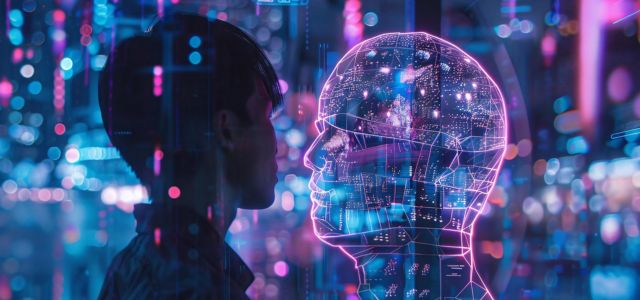
In January 2026, superstar TikTok creator Khaby Lame announced a $975 million all-stock transaction with Rich Sparkle Holdings, which centered on the creation of an AI “digital twin” of Lame. Reports pertaining to the deal indicated that Rich Sparkle Holdings would have exclusive rights for a defined period of time to use Lame’s AI-generated avatar or digital replica for commercial purposes, including product sales on TikTok Shop and revenue-generating live streams. To date, however, the deal with Rich Sparkle Holdings has seemingly unraveled with a stock price collapse, imposed trading restrictions by major brokerages, and what a March SEC filing indicates as unresolved closing conditions. Thus, the transaction has been widely reported as stalled or potentially void.
Finance experts opining on the transaction have framed it as an open and shut case, referring to the deal as “very suspect,” a “classic pump-and-dump” scheme, and a “textbook cautionary tale.” But for intellectual property experts, the deal structure and its uncertain status raise interesting questions and provide helpful reminders regarding considerations for protecting an individual’s likeness rights when granting such rights to a third party — especially when such rights are granted in the form of a digital replica or AI-generated “twin.”
When it comes to intellectual property and other legal rights, the AI generation of a digital replica, avatar, or “twin” of a real person may implicate the right of publicity, trademark rights, copyright, unfair competition, rights of privacy, rights to biometric data, and more. When negotiating a deal like Lame’s (and now through the lens of the potential collapse of Lame’s deal), the ownership and protection of these rights are critical and should be treated as fundamental deal points.
With rights of publicity, the core asset is the commercial exploitation of name, image, likeness, voice, and even behavioral traits. That right generally remains personal to the individual and is only usable by a counterparty with the licensor’s consent and grant of rights. (Importantly, under emerging state laws pertaining to the use of and contracting around digital replica rights, the licensor must be represented by counsel or a labor union.) In the context of an AI digital twin, where an individual’s likeness can be generated for a myriad of purposes long after the individual’s involvement, the failure to tie license rights to use restrictions, performance milestones, or stepped-up consideration creates a risk that the licensee continues to exploit an individual’s likeness, even if the underlying commercial terms have terminated or otherwise unraveled.
Trademark rights present a related but distinct issue. To the extent an individual’s name or persona functions as a source identifier, those rights can be licensed, but only with sufficient quality control by the licensor. A broad, exclusive grant of commercialization rights tied to a digital replica, as purportedly granted under the Lame deal, raises the question of whether the licensor has effectively ceded control of brand goodwill, particularly where the AI use may result in new, unsupervised content at an untethered pace.
As for copyright protection, contractual terms around the ownership of content that includes a licensor’s digital replica are particularly important under the U.S. legal framework, which has held that copyright law does not grant protection in wholly AI-generated works. In an arrangement like Lame’s, it is critical to articulate who owns the rights to the fixed content resulting from an AI twin’s activities, as well as how that content can be exploited and monetized in the future.
And what about data rights? In addition to contributing to likeness rights, biometric identifiers are also regulated personal data. Once used to train an AI model, those data points may become difficult to extract or “return.” That creates a structural gap between legal rights (which may revert) and technical reality (where the model remains functional). Absent robust deletion, audit, and certification provisions, a licensor may lose practical control even if legal rights are preserved.
Whatever the ultimate outcome of Khaby Lame’s deal, the facts present an important reminder that digital replica or “AI twin” agreements must contemplate rights of ownership, control, revocability, and technical enforceability — and also perhaps a reminder for creators to negotiate for some up-front cash, rather than all-stock deals in the wild west of contracting for AI-generated likeness rights.

Written by Sarah E. Bro
Partner, McDermott Will & Schulte
You may also like…

Winter IP Conference 2026: 5 November, London UK
After two highly successful and well-regarded annual events, we’re thrilled to announce the Winter Intellectual...

B&Q v. Wren: UK High Court rejects AI-assisted image search in trademark dispute
Judge rules that proposed £100,000 disclosure exercise would be disproportionate, despite advances in AI technology....

Protecting Brand Value in China: What Every In-House IP Team Needs to Know: November 4, 2026
China continues to be one of the most important jurisdictions for global brand owners, but its trademark landscape is...
Contact us to write for out Newsletter